The Useful Parts of the Old VALORANT Community Archive
Written by Valorant Village
Source-backed coverage ●
An old VALORANT archive is only useful when a reader can tell what is still worth opening. Age is not a reason to keep a page, and nostalgia is not an editorial standard. A working tool, a well-documented idea or a historically important community project can earn a place in an index. A title, a reposted clip and a dead image link cannot.
This page is an archive index, not a sentimental repost. Its job is to help readers find durable work, explain what has changed and send them towards a current version when one exists. That means the old Reddit-heavy and clip-feed pattern is not coming back as a primary content format.
What belongs in the index
The strongest entries answer a question or preserve context. That might be an original training tool that still runs, a permissioned fan project, a map experiment with a clear explanation, or a historical page that helps explain how a mode or agent changed. Each entry needs a reason for survival that can fit in one sentence.
The index should not become a second home page for everything the site once collected. Do not add scraped Reddit text, clip dumps, uncredited fan art, rumours presented as facts, copied VODs or a page whose only value is that somebody once reacted to it. If the original creator cannot be identified, the work cannot be checked, or the link no longer helps a reader, mark it for review rather than giving it a permanent recommendation.
That filter also protects readers from stale advice. An old lineup can be historically interesting and still be a poor answer after a map change. A dead tool can explain what players used to need without being presented as a working recommendation. A current guide should replace it when it answers the same question better.
Use a clear status for every entry
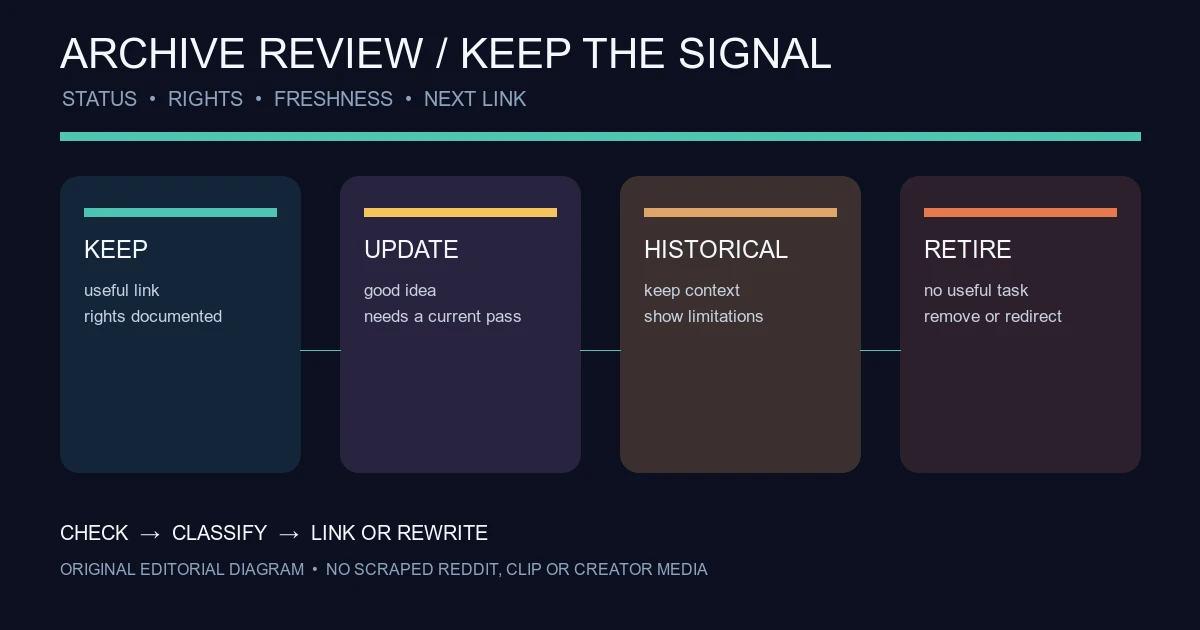
Every archive card should show four things before the title:
- Keep: the work is still useful, the link works and the rights are documented.
- Update: the idea is useful but the page needs a current explanation, source check or replacement asset.
- Historical: the page is retained for context, with its date and limitations made obvious.
- Retire: the entry is not useful or cannot be kept responsibly; link equity and redirects are handled separately.
That status is more valuable than a five-star rating. It tells a reader whether to follow the link for an answer or for a snapshot of an earlier version of the game. It also gives editors a maintenance queue instead of a pile of vague promises.
The fields that make an archive useful
Each entry needs a short title written for a reader, the original URL, the creator or publisher, the date checked, the current status and the intended search question. Add one sentence describing what the reader will find and one sentence describing what may be out of date.
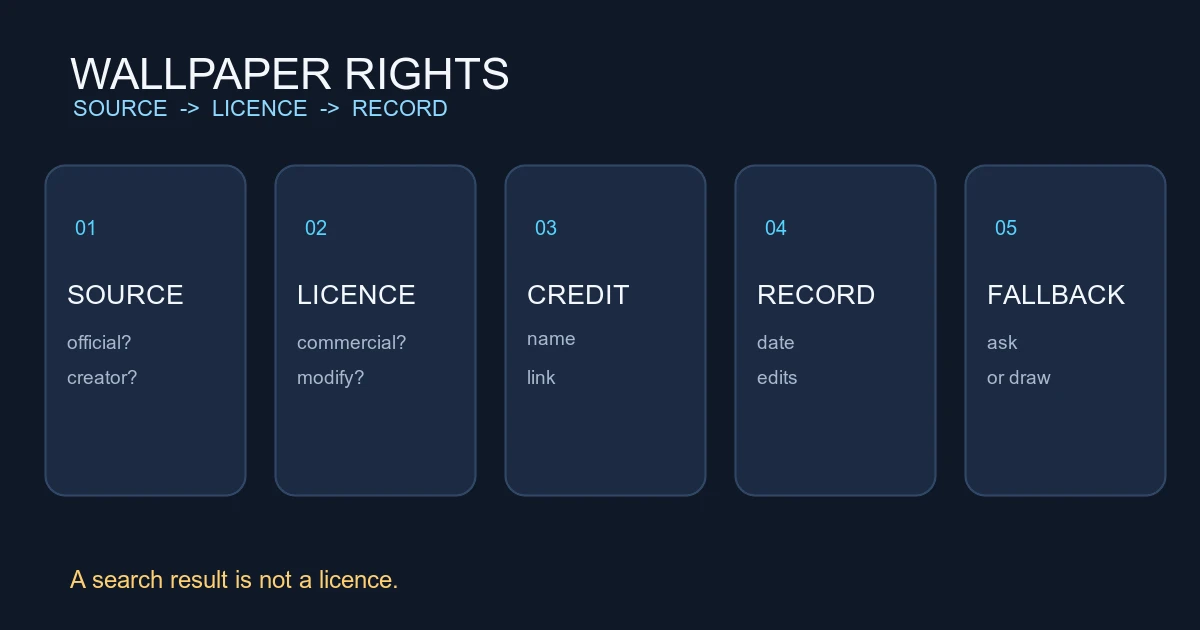
Rights need their own field. A link is not permission to copy an image, embed a video, download audio, reproduce a creator’s text or republish a screenshot. For official references, start with Riot’s VALORANT media library and check the terms attached to the asset. For community work, record the creator’s permission or the actual licence. If neither exists, link to the original page without mirroring the media, or leave the entry out.
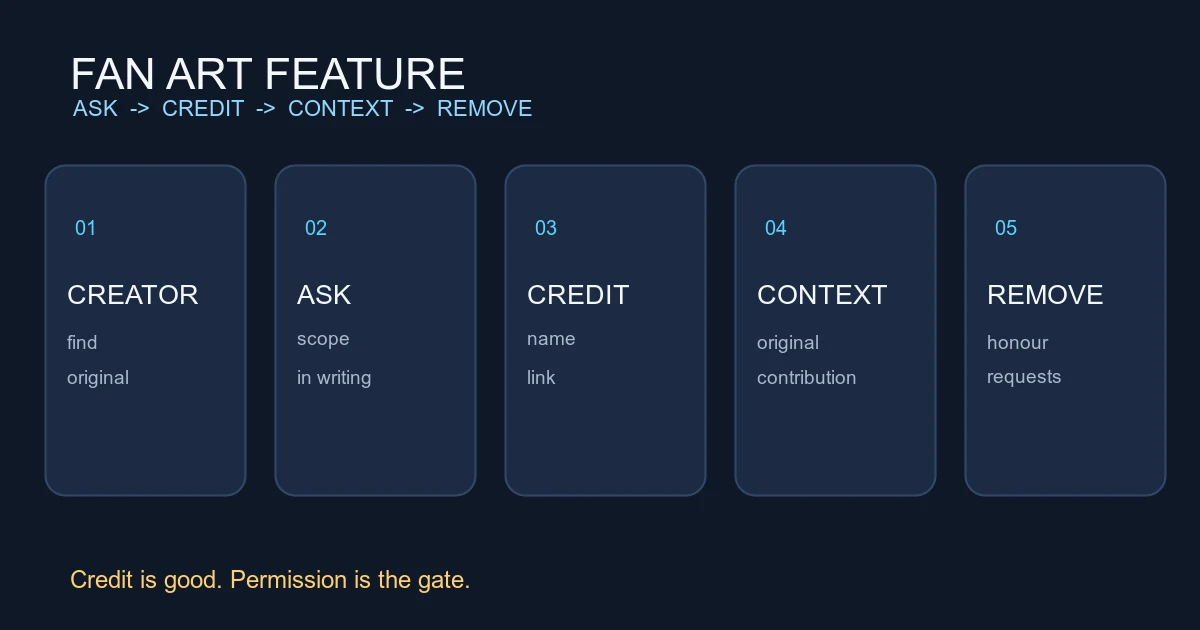
Riot’s Legal Jibber Jabber asks fan projects to make an original contribution, get permission for third-party IP, credit other people’s work and avoid implying Riot endorsement. Its displayed update date is August 2018, so treat it as a rights reference to re-check alongside current terms, not as a guarantee that every use is approved.
The index should also record the replacement target. If an old sensitivity tool has been replaced by a maintained calculator, the reader should see “use this current tool” rather than a dead-end obituary. If a Reddit-style lineup post has become a tested guide, point to the guide and explain that the old page is not the canonical answer.
A better review path for the old archive
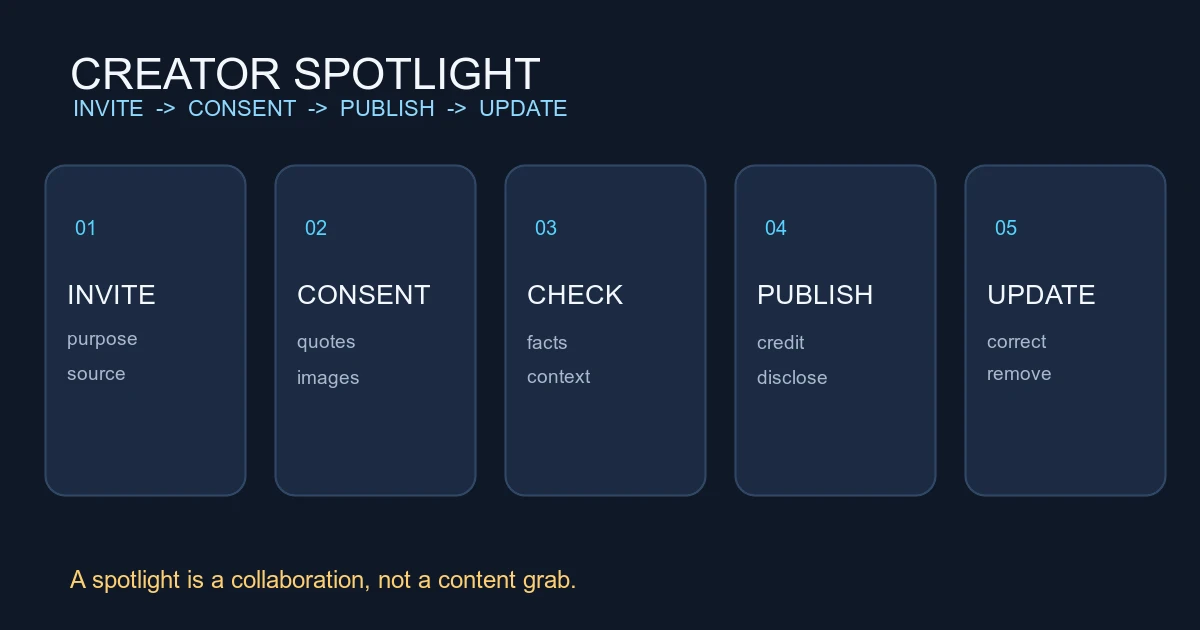
Start with pages that previously earned impressions or clicks, then classify them by intent. A page about performance bonuses, smokes, a first-time message or sensitivity is a candidate for a source-backed rewrite when its query still describes a real player problem. A thin clip page may have a URL worth preserving, but it should not be promoted until the query and the page’s actual value are understood.
Do not bulk-delete an archive from a spreadsheet. Search Console data, existing links, source checks and rights review should decide whether a page is kept, rewritten, redirected or retired. An index can link to a historical page while the archive cleanup is still in progress, but it should not pretend the classification is final. Our editorial policy explains the same separation between useful source material, attribution and publication judgement.
How the page should feel
The useful version is quiet and specific. It groups entries by job: tools, guides, historical changes, creator projects and rights-cleared resources. It does not autoplay videos, show a wall of thumbnails or repeat the same description for every item. A reader should be able to scan the status, understand the limitation and choose the next click in a few seconds.
Review the index on a schedule. Check links, current game terminology, creator permissions and the replacement target. When something is wrong, add a correction note or change the status instead of hiding the history. The archive earns trust by showing its decisions.
The point is not to prove that the old site mattered. The point is to make the surviving work findable, honest and useful now. For the media side of that work, our Riot asset-use guide explains why a source link, permission record and original contribution need to be treated as separate fields.
Sources checked
Riot’s VALORANT Media, Developer Portal and Legal Jibber Jabber were checked on 2026-08-14 UTC. The index rules above are Valorant Village editorial guidance based on those rights references and the local Search Console/archive review; they are not a claim that Riot endorses this archive.