What ‘Playing for Space’ Actually Means in VALORANT
Written by Valorant Village
Source-backed coverage ●
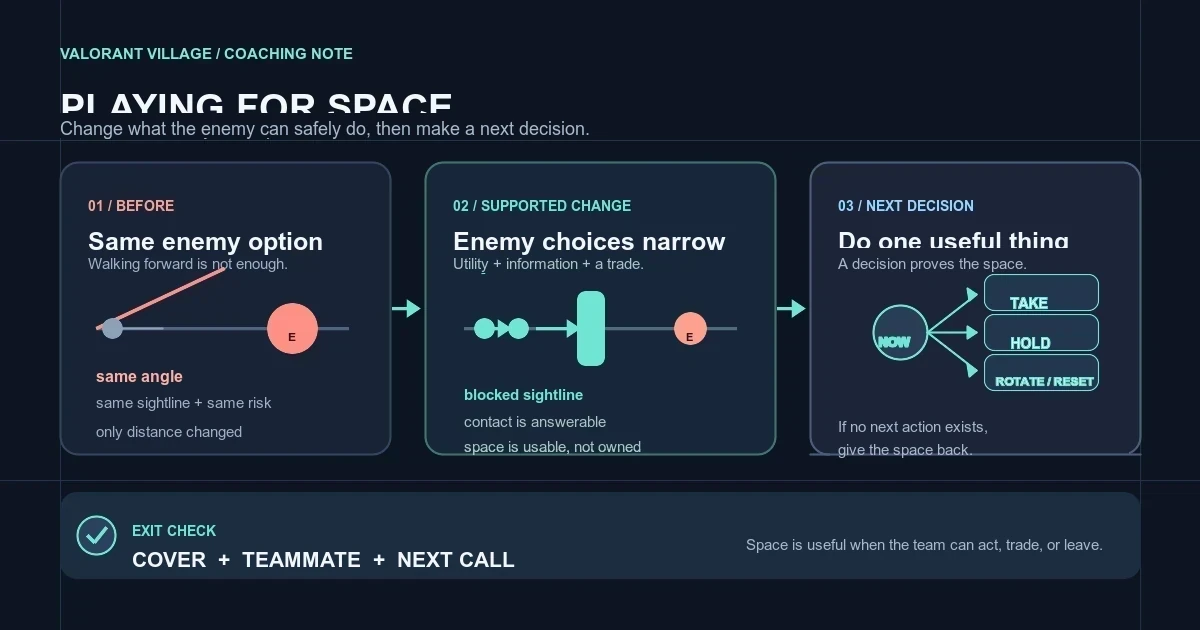
“Playing for space” is not a synonym for walking forward. You can move up a lane while the enemy keeps the same angle, approach, and fight. Space exists when your team changes where the enemy can safely stand or move, then can use that change.
Start with the Riot frame
Riot’s Beginner’s Guide tells new players to learn where enemies can come from, watch angles and corners, ask whether an ability helps with the next goal, stop before shooting, and communicate information through voice chat, pings, or Agent voice lines. Riot’s gameplay primer describes a five-versus-five tactical shooter with one life per round, abilities, strategy, teamwork, and a Spike objective.
Those are source facts. “Space” as a changed set of enemy options, and the tests below, are Valorant Village coaching interpretation. Riot’s tac-cycle article gives a useful order: Intel, Plan, Execute, Repeat. It includes territory, locations, abilities, timing, coordination, and shooting. Space matters because it changes the next plan.
Coaching interpretation: what actually counts as space?
Use a before-and-after question: where could the enemy safely stand or move before we acted, and where can they do it now? A smoke can remove a sightline. A flash can make holding an angle harder for a moment. Damage or delay can make a route costly. A teammate taking a tradeable position can make the first few metres safer to cross. A confirmed enemy location can also let your team occupy the opposite side without guessing.
None of those effects is permanent ownership. An enemy can gamble through a smoke, re-peek after a flash, or retake when support leaves. Space changes risk and choice; it does not make an area magically clear. If you walk forward alone while the defender keeps the same sightline and support, you gained distance, not necessarily useful space.
An attacking default often creates space by keeping more than one route available while testing the defense. That is different from forcing a site with no information. Our defaulting guide goes deeper on using a slow round to preserve decisions.
Make information part of the space
The first useful output is a clearer picture. Say what changed without upgrading a clue into a guarantee: “the smoke cuts their long sightline,” “one defender left the angle,” or “we heard movement behind the wall.” Do not turn “nobody seen” into “site clear.” The guide’s map advice and Riot’s Intel questions point in the same direction: identify the angles, territory, opponents, abilities, and previous actions that shape the next plan.
Before taking the space, ask:
- Which enemy option did we remove or make expensive?
- What is confirmed, and what is still unknown?
- Who can follow the first player, and what can they see?
- If the enemy does not react, what do we do next?
That last question keeps space from becoming a sightseeing tour. A short call such as “smoke cuts site, one close unknown, hold for contact” is more useful than “we have space.” See How to Make Useful Comms in VALORANT for the wider fact-to-action structure.
Trade the space, do not just touch it
Space is usually a team resource. The first player can cross or take the first look, but a second player needs to be close enough, ready enough, and aimed at the likely shooter to answer contact. Cover and timing matter. If the entry dies and nobody can fight the opponent, the team may have moved forward while giving the enemy a free kill and an easy retake.
This is why walking together is not automatically a trade. The players need a shared route, a trigger, and a target. If the first player sees nobody, the next call might be to stop, clear one more angle with support, or give the lane back. If no teammate can follow, turn the peek into information and preserve the player instead of pretending the ground is secure. For the spacing test behind that decision, read How to Trade a Teammate in VALORANT.
Use utility to change the enemy’s choices
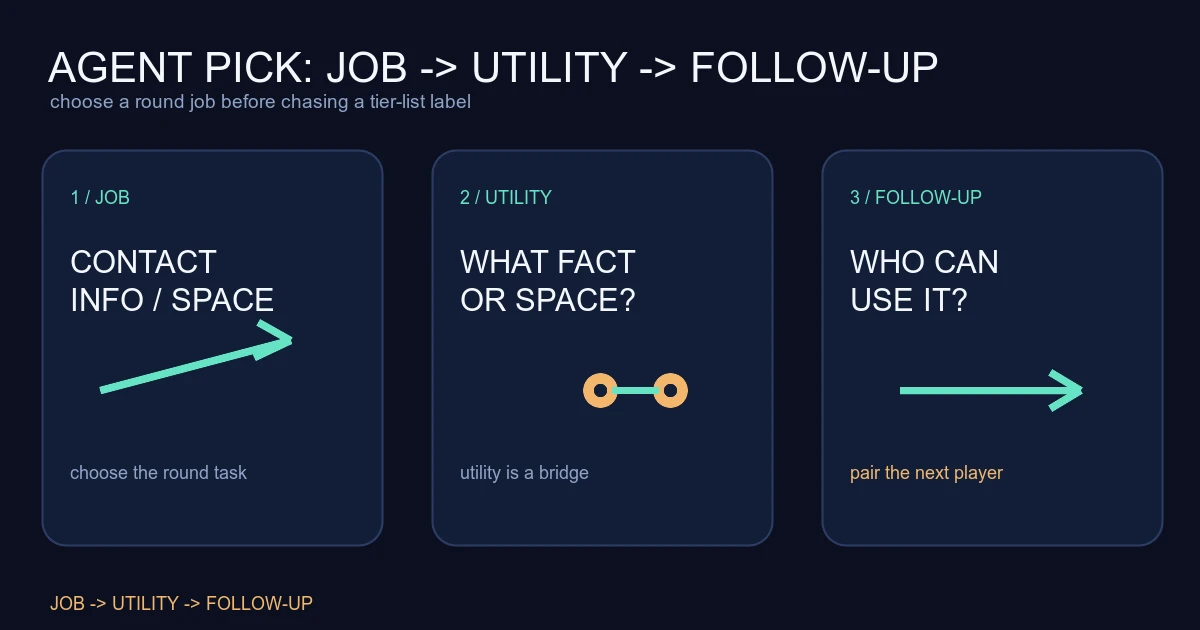
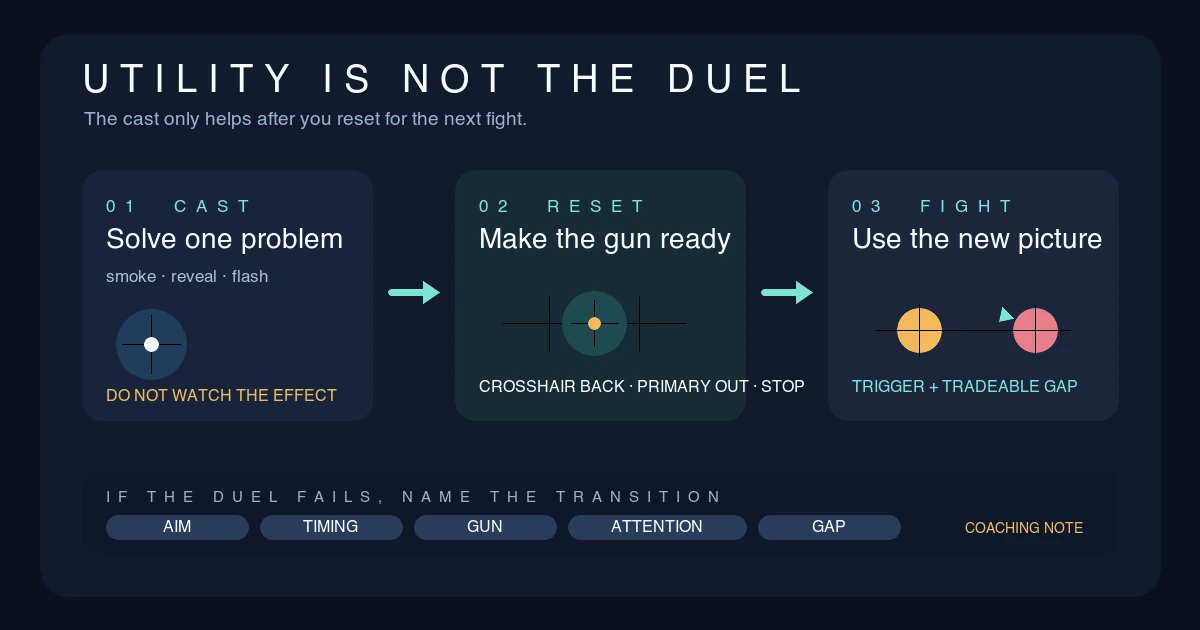
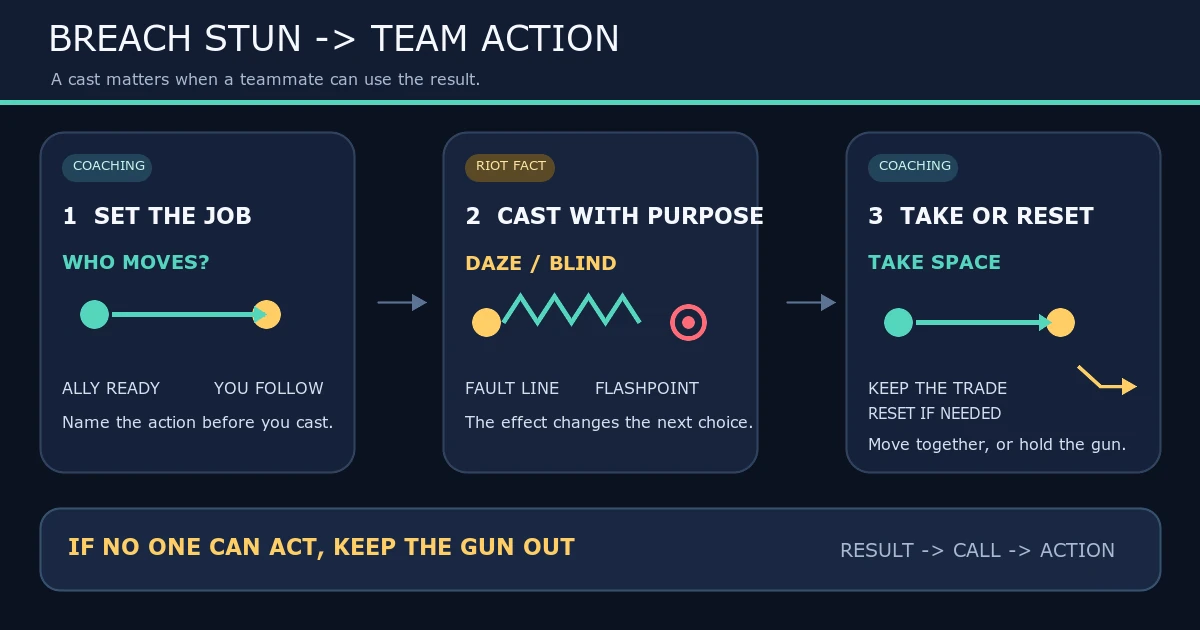
Utility is valuable here only when it changes a decision. Ask what the ability supports toward the next goal, a question Riot places in its beginner guidance. A smoke might let the team cross a sightline, a flash might ease an angle, and a slow, wall, or damaging effect might delay a retake. Match the follow-up to the effect: cross while blocked, swing when displaced, or hold the exit while the delay runs.
If the ability changes no route, timing, information, or trade, it may be decoration. Do not call a site taken because one piece of utility landed. Check whether the team can occupy the new position, whether the enemy still has a safe close angle, and whether the Spike or next rotation can move behind it.
Keep an exit, and know when to give space back
Every piece of space needs an exit: cover to fall behind, a teammate who can help, and a call that says what happens if the enemy contests. A player who takes an advanced angle with no retreat and no trade line is holding a liability, not a resource.
Give space back when the objective no longer needs it, utility or trade support is gone, the enemy has rotated into a pinch, or holding requires an unsupported re-peek. Returning to cover preserves the information and players needed for the next fight. Pressure may already have revealed a rotation or spent utility, making a regroup stronger than another duel.
Test the next decision
Space created a useful next decision if you can answer five things: what enemy option changed, what information became clearer, who can use the position, where the exit is, and what exact action is now available. The action might be crossing, planting, holding for a retake, rotating, or giving the lane back while keeping the enemy response known.
If the only answer is “we are farther forward,” the team moved but did not yet make the space useful. If the answer is “their long angle is blocked, one close position is unknown, our second player can trade, and we can either clear or reset,” the space has already paid for a decision. Judge that chain before judging the kill feed.